Ginkgo Maidenhair Tree
Slow-growing shade tree with brilliant golden fall color.
From $80.55 · 4 sizes
- Secure checkout
- Ships in its nursery container
- Growing guides included
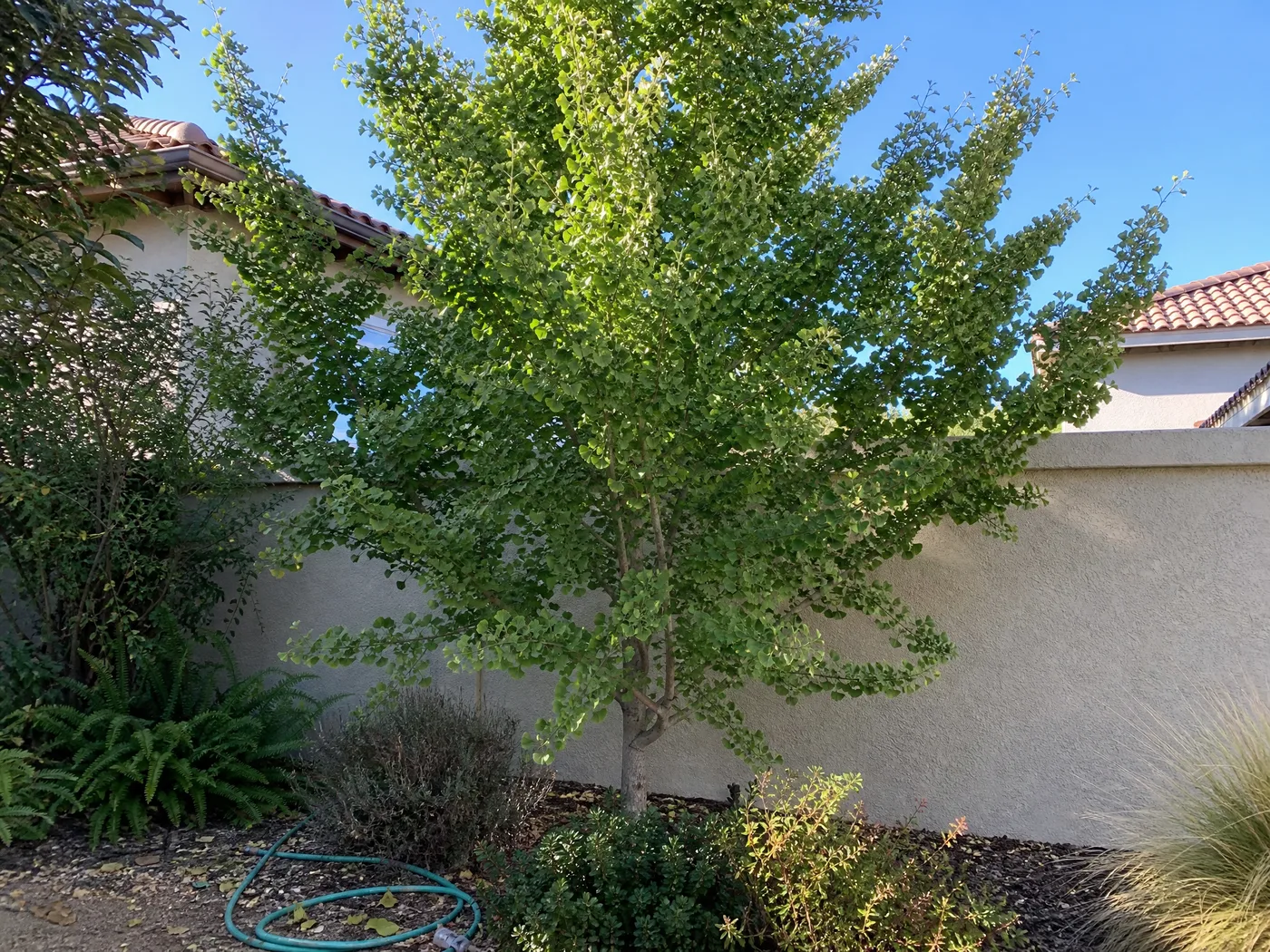 USDA zones3-8
- USDA zones
- 3-8
- Mature height
- 50-80 ft in typical landscape settings
- Sun
- full sun
- Mature width
- 25-35 ft
About Ginkgo Maidenhair Tree
Ginkgo biloba is a deciduous shade tree prized for its fan-shaped leaves and brilliant golden fall color. This ancient species has remained virtually unchanged for over 200 million years. Ginkgos are exceptionally tough, thriving in poor soil and urban pollution where other trees struggle. Their even, golden autumn display often drops within days, creating dramatic seasonal change.
This guide covers everything you need to grow ginkgo successfully, from selecting male trees to planting and ongoing care. Learn how to handle their water needs, manage their slow growth, and prepare for their stunning but brief fall show. We also cover where to buy quality trees and what to expect as your ginkgo matures over decades.
Why gardeners choose Ginkgo Maidenhair Tree
- Even golden-yellow fall color
- Handles compacted soil and pollution
- Takes drought once it settles in
- Long-lived tree, some past 1,000 years
- Cold tough from zone 3 to zone 8
- Columnar cultivars fit tight spots
- Excellent deer resistance
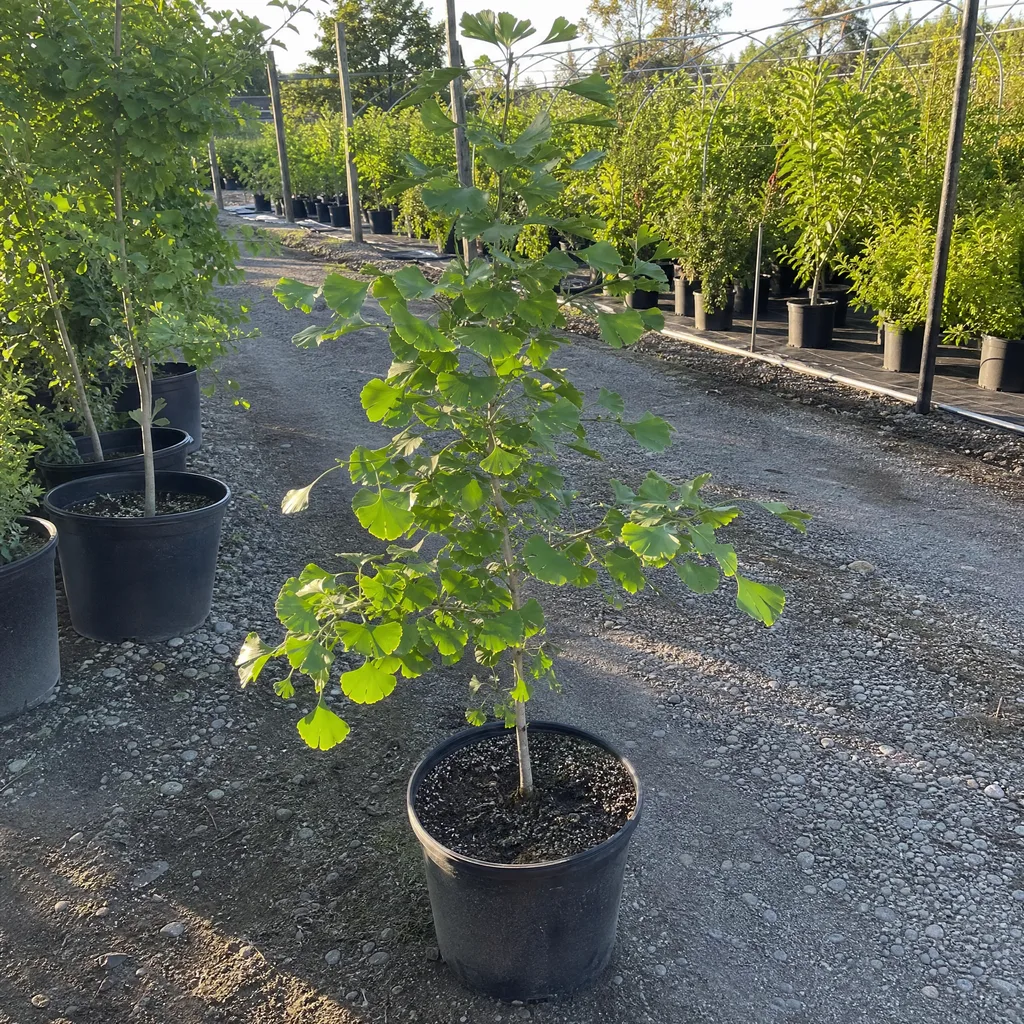
Buy Ginkgo Maidenhair Tree
Nursery-grown plants shipped in their container, with our planting and care guides to go with them.
- Brilliant golden-yellow fall color drops within days for reliable seasonal drama
- Highly adaptable to poor soil, compacted urban sites, and drought once established
- Excellent deer resistance and durability as a specimen, shade, or street tree
- Secure checkout
- Ships in its nursery container
- Growing guides included
Quick facts
| USDA zones | 3-8 (some references extend to 9) |
|---|---|
| Mature height | 50-80 ft in typical landscape settings; old specimens in native/historic sites can reach 80-100+ ft |
| Mature width | 25-35 ft, narrower for columnar cultivars |
| Sun | full sun |
| Water | average water needs; medium moisture, tolerates periods of drought once established |
| Bloom time | spring (April-May); inconspicuous |
|---|---|
| Bloom color | dioecious - males bear small yellow-green pollen cones, females bear inconspicuous ovules, not a showy bloom |
| Growth rate | slow to moderate, roughly 12 in/year, faster (up to 24 in/year) in ideal conditions while young |
| Deer resistance | excellent - rarely browsed |
| Plant type | deciduous tree |
Growing guides
All 28 guides →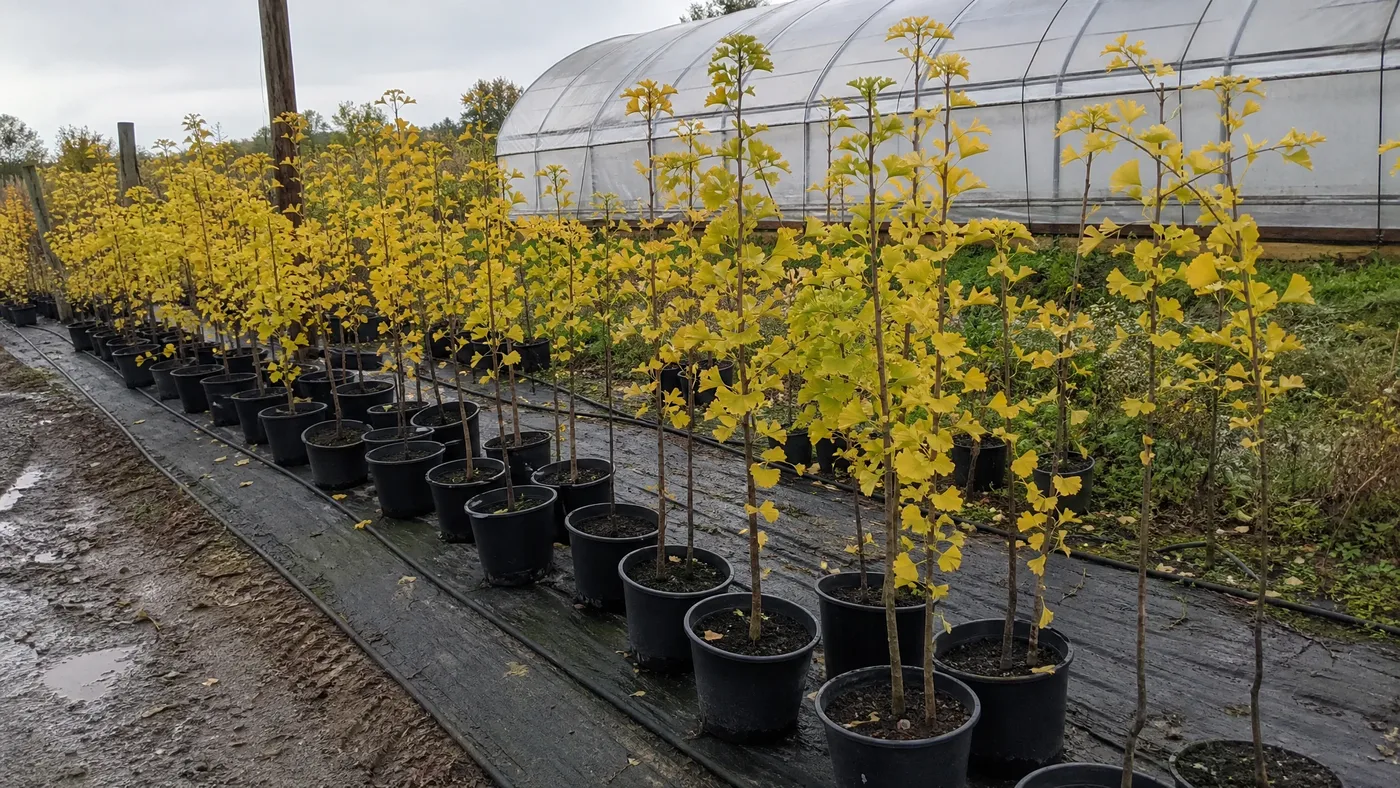
Ginkgo Maidenhair Tree Buying Guide: Sizes and What to Look For
Shows container sizes, male cultivars, and where to find quality nursery plants
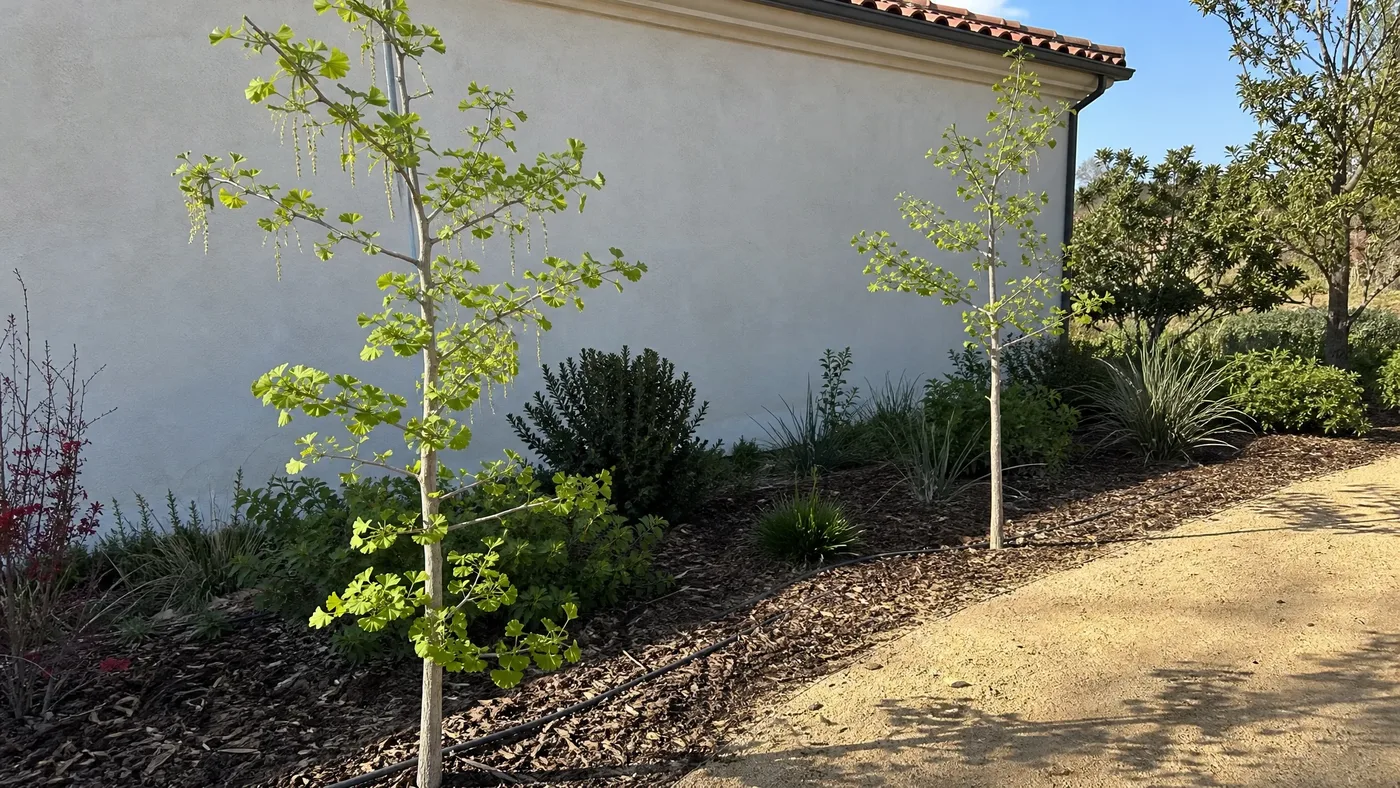
Male vs Female Ginkgo Trees: How to Tell and Why It Matters
Males and females look alike for decades, so see how to tell them apart
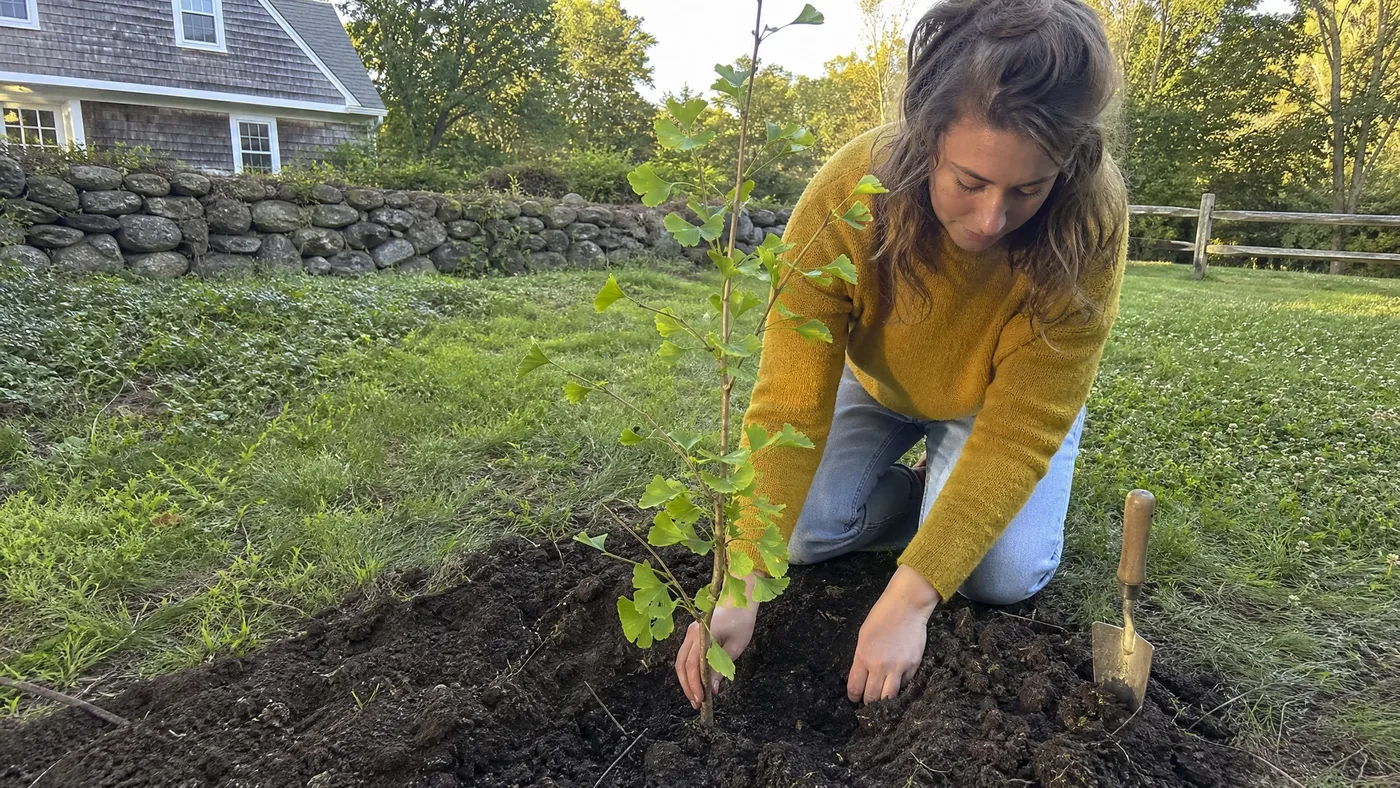
How to Plant a Ginkgo Maidenhair Tree the Right Way
Covers site selection, hole prep, mulch, and year-one care for a thriving start
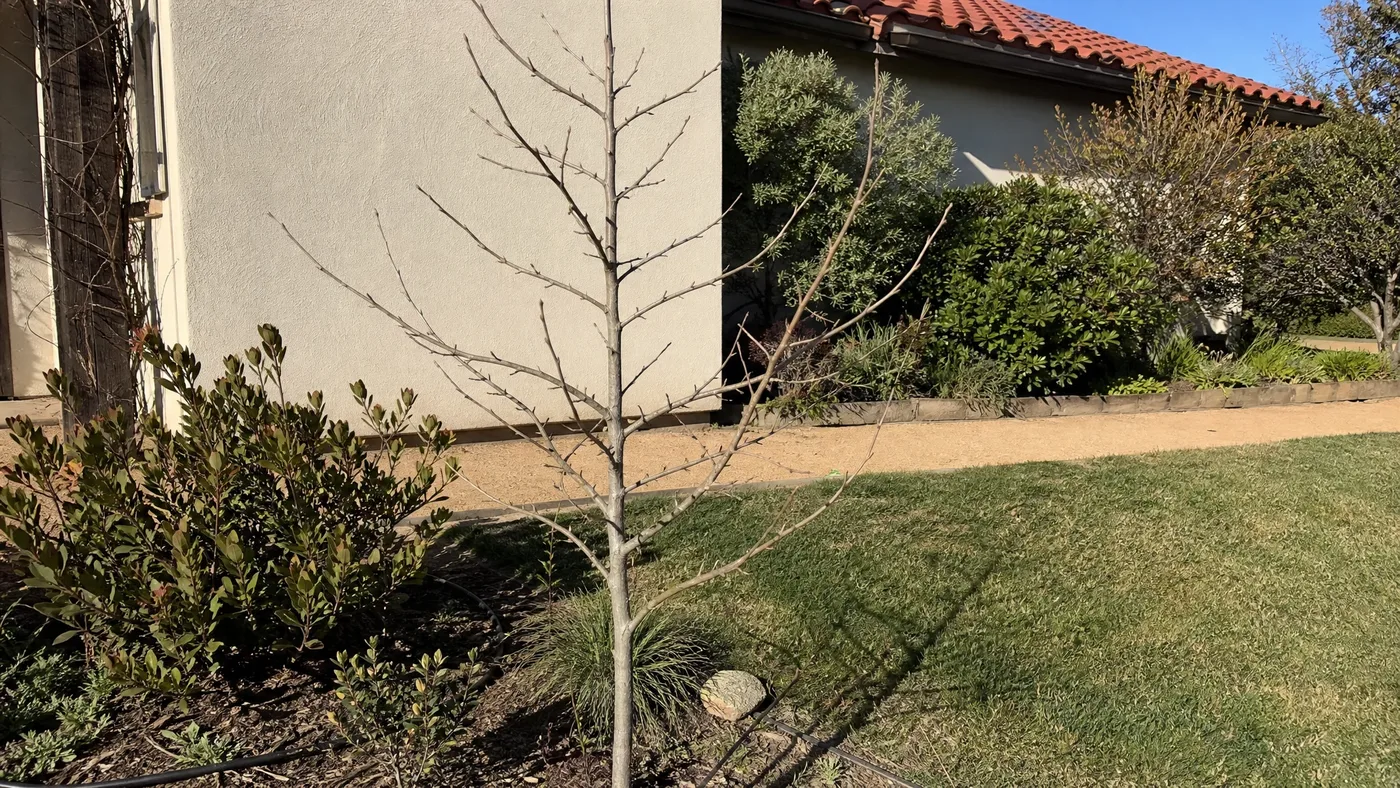
Ginkgo Maidenhair Tree Care Guide: Everything You Need to Know
Techniques for growing, planting, and maintaining Ginkgo biloba over the years
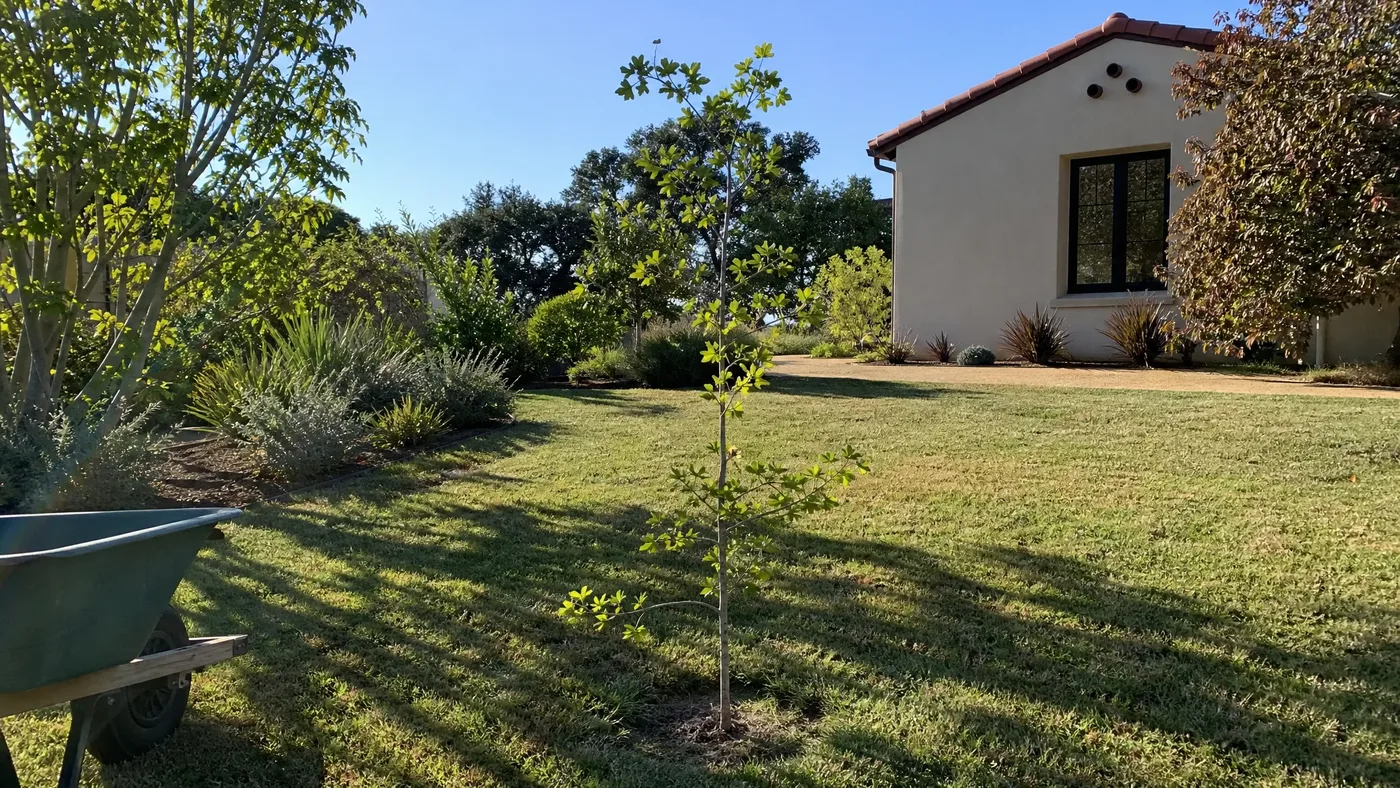
How Big Does a Ginkgo Maidenhair Tree Get? Size and Growth Rate
Typical height of 25 to 50 feet, growing 12 to 24 inches yearly
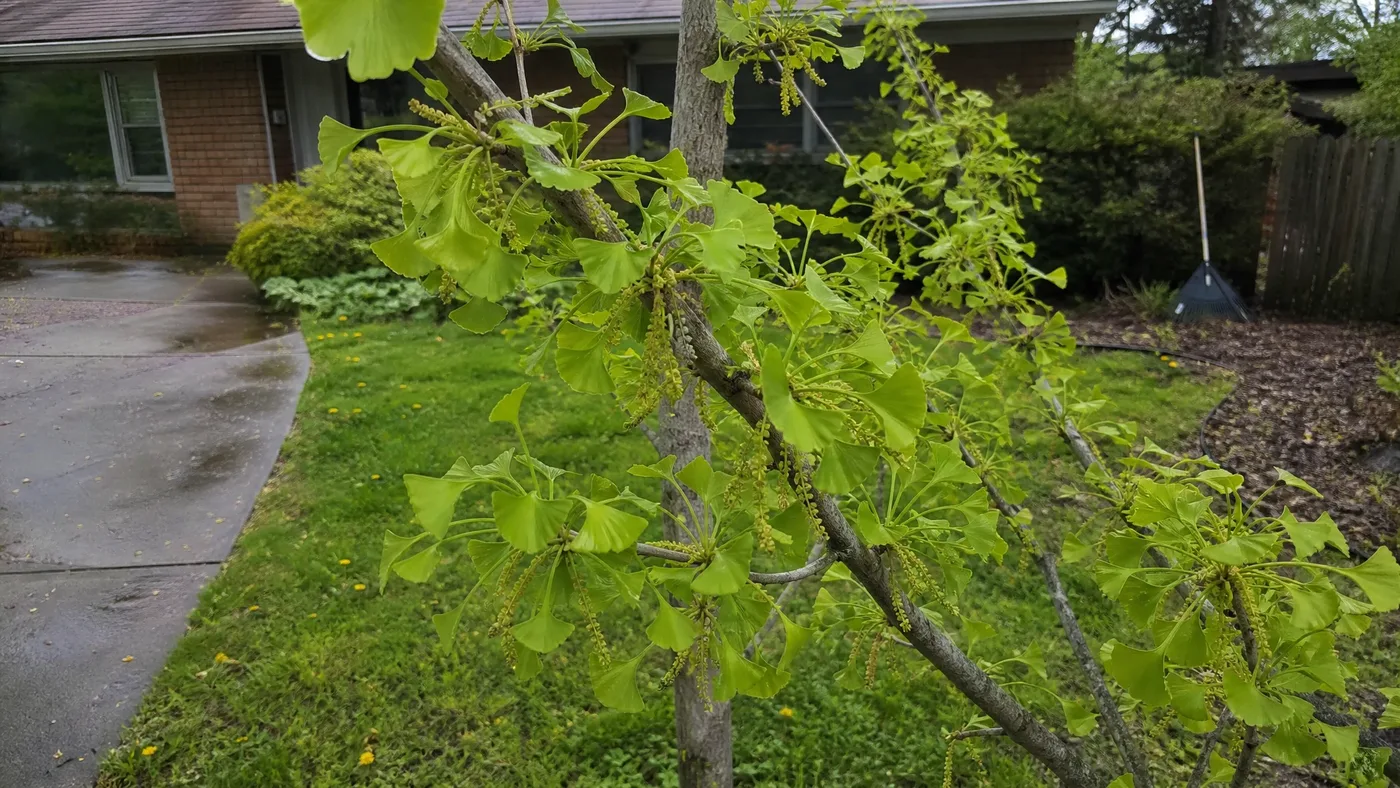
Ginkgo Maidenhair Tree Hardiness Zones: Where It Grows Best
Covers the cold tolerance this resilient shade tree shows across zones 3 to 8
Ginkgo Maidenhair Tree questions
Why do some ginkgo trees smell bad?
Only female ginkgo trees produce fruit, and the fleshy seed coating contains butyric acid, which smells like rancid butter when it falls and breaks down in autumn. Most nursery-sold ginkgos are male cultivars specifically to avoid this.
How fast does a ginkgo tree grow?
Ginkgos are slow to moderate growers, typically adding around 12 inches of height per year, though this can vary with site conditions.
Is ginkgo a good shade tree for cities?
Yes, ginkgo is one of the most urban-tolerant shade trees available, handling pollution, road salt, and poor compacted soil better than most species.
Do ginkgo trees need special care?
No, they are very low-maintenance once established, needing minimal pruning, no regular fertilizing in decent soil, and tolerating drought well.
Can you tell a male from a female ginkgo before it fruits?
Not reliably by appearance alone; sex isn't distinguishable until the tree matures and flowers/fruits, which is why most landscape trees are sold as named male cultivars propagated by grafting.
Buy Ginkgo Maidenhair Tree
From $80.55 · 4 sizes